
Ink Subscription Services Review: Are They Worth the Cost?
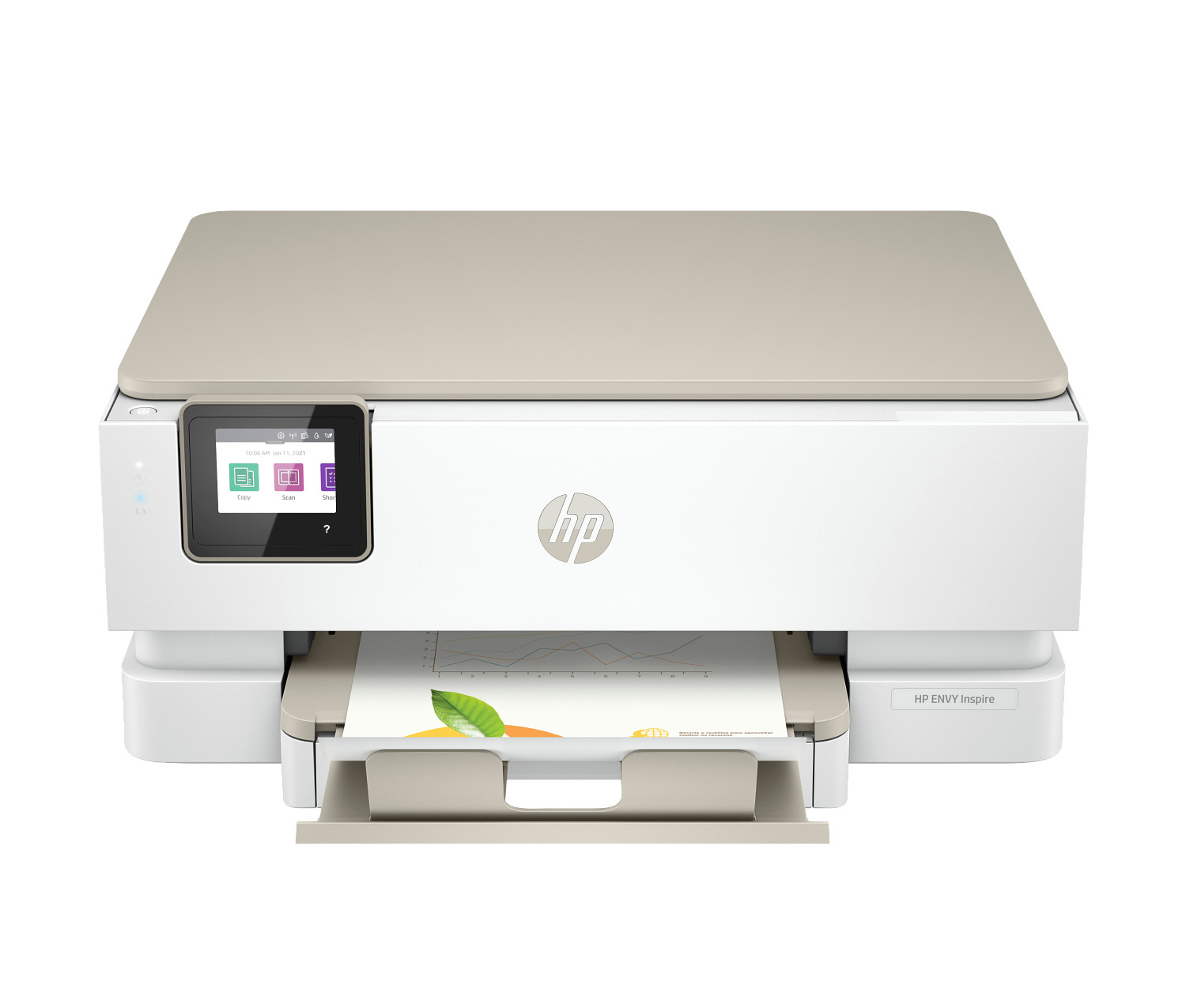
Ink subscription review 2024: Is the ink subscription service worth it? Compare plans, pricing, and savings to decide if subscriptions save money.
Introduction to Ink Subscription Services
Ink subscription services have transformed how home office users and families manage printer supplies. These programs promise significant savings on ink cartridges while eliminating the frustration of running out mid-project. But are these services truly worth the investment? This comprehensive review examines ink subscriptions from every angle to help you make an informed decision for your printing needs.
Traditional ink cartridges purchasing follows an inconvenient pattern: you print until supplies run low, make an emergency trip to purchase replacements at premium prices, and repeat the cycle. Ink subscription services break this pattern by proactively monitoring your usage and shipping new ink cartridges before you run out. This convenience alone makes subscriptions appealing, but the cost savings potential is what truly attracts most users.
Whether you own an inkjet printer for your home office or manage printing for a family with students, understanding how ink subscriptions work helps you evaluate whether they're right for your situation. This guide covers the mechanics, pricing, benefits, and limitations of these services to give you a complete picture.
What Are Ink Subscription Services?
Ink subscription services automatically monitor your printer's ink levels and ship replacement ink cartridges before you run out. Unlike traditional cartridge purchasing where you pay for ink volume, subscription services charge based on pages per month printed. This fundamental difference means you can print color printing projects at the same cost as black text pages, potentially delivering significant savings for users who print color regularly.
The technology behind ink subscriptions relies on connected printers offer real-time monitoring through Wi-Fi connectivity. Your home printer communicates usage data to the service, which tracks your remaining ink levels and anticipates when supplies will run low. When ink levels drop to a predetermined threshold, the system automatically orders and ships replacement cartridges—often before you realize you're running low.
Subscription cartridges are typically the same quality as retail ink cartridges, ensuring consistent print quality for all your documents. The primary difference is the delivery model and pricing structure, not the ink itself. Many subscription programs use special cartridges that only work while your subscription is active, a consideration for users who may want flexibility.
How Ink Subscription Pricing Works
Ink subscription pricing is based on monthly page allocations rather than ink volume. You select a plan matching your typical pages per month usage, and your subscription fee covers all the ink needed to print that number of pages. Whether those pages are black text, full-color photos, or anything in between, the cost remains the same—a significant advantage for users who do substantial color printing.
Typical Plan Structures
Most ink subscription services offer tiered plans to accommodate different printing volumes:
- Free Plan: 15 pages/month included at no cost - ideal for very occasional printing
- Light Plan: 50 pages/month - suited for minimal home use
- Moderate Plan: 100 pages/month - ideal for home office professionals
- Frequent Plan: 300 pages/month - appropriate for families or high volume home use
- Business Plans: 700+ pages/month - designed for small office printer needs
Page Rollover Policies
Many subscription services allow unused pages to roll over to the following month, up to a limit. This flexibility accommodates months when you print less than usual. However, rollover limits exist—typically one to three months of your plan allocation—so excessive unused pages are eventually forfeited. Understanding rollover policies helps you select the right plan without overpaying for unused capacity.
Overage Handling
When you exceed your monthly pages per month allocation, most services offer overage pages at a reasonable per-page rate. This prevents printing interruptions while maintaining cost predictability. Some services automatically upgrade your plan if you consistently exceed allocation, ensuring you're always on an appropriate tier for your usage.
Ink Subscription Savings: The Real Numbers
Manufacturers advertise savings up to 50% compared to buying ink cartridges at retail prices. Real-world savings depend on your printing volume, the types of documents you print, and your current purchasing habits. Understanding these factors helps you calculate potential savings for your specific situation.
Light Users (15-50 pages/month)
Light users experience modest per-page savings but benefit significantly from convenience. The frustration of dried-out cartridges (common when inkjet printer models sit unused for extended periods) disappears with subscription services that keep ink flowing. For light users, the convenience may be worth more than the direct savings.
Moderate Users (100-200 pages/month)
Moderate users in the home office category often see the best overall value from ink subscriptions. At this volume, per-page savings become substantial while avoiding the waste that can occur with higher plans. The 100-page tier hits a sweet spot for many remote workers and students.
Heavy Users (300+ pages/month)
High volume users printing 300 or more pages per month experience maximum cost reduction per page. At these volumes, subscription pricing dramatically undercuts retail ink cartridges costs. Families with multiple students or busy office environments benefit most from higher-tier plans.
Color Printing Advantage
The biggest savings often come from color printing. Retail color ink cartridges are expensive, and color pages consume more ink than black text. Subscription services eliminate this premium—color printing costs the same as black pages. Users who print photos, graphics, or presentations regularly see substantial savings compared to retail purchasing.
Benefits Beyond Cost Savings
Ink subscriptions deliver value beyond direct cost reduction. These additional benefits often tip the decision for users considering subscription services.
Never Run Out of Ink
Perhaps the most appreciated benefit is never experiencing that moment when your home printer stops mid-project with empty cartridges. Subscriptions monitor your usage and ship replacements proactively. For home office professionals with deadlines, this reliability is invaluable.
Automatic Ordering and Delivery
The completely automatic nature of subscription services eliminates the mental overhead of managing supplies. No more tracking ink levels, comparing prices, or making store runs. Your ink cartridges simply arrive when needed, freeing you to focus on actual work.
Free Cartridge Recycling
Many subscription services include prepaid recycling envelopes for used ink cartridges. This environmentally responsible option makes proper disposal effortless. For eco-conscious users, integrated recycling adds meaningful value to subscription services.
Consistent Print Quality
Subscription cartridges are genuine manufacturer products, ensuring consistent print quality for every page. Some users who previously experimented with third-party cartridges appreciate returning to guaranteed quality while still saving money through subscription pricing.
Potential Drawbacks and Limitations
Ink subscriptions aren't perfect for everyone. Understanding potential limitations helps you evaluate whether the service matches your needs and preferences.
Requires Connected Printer
Subscription services require compatible Wi-Fi-connected printers that can communicate usage data. Older inkjet printer models or those without connectivity don't support subscriptions. If you own an incompatible printer, you'd need to upgrade to participate.
Subscription Commitment
Some users prefer purchasing flexibility over subscription commitment. While most services offer no-contract options with easy cancellation, the ongoing nature of subscriptions doesn't appeal to everyone. Additionally, subscription cartridges may stop working if you cancel the service.
Variable Printing Needs
If your pages per month vary dramatically—printing 500 pages one month and 50 the next—subscription services may not fit well. While plan changes are usually possible, frequent adjustments are inconvenient. Users with highly variable printing may find traditional ink cartridges purchasing more suitable.
Comparing Subscription Services
Multiple manufacturers offer ink subscription services with varying features and pricing. When comparing options, consider plan flexibility, rollover policies, cancellation terms, and compatible printer models. Most services offer free trial periods that let you experience the service before committing.
Are Ink Subscriptions Worth It? The Verdict
Ink subscriptions are worth it for users who print regularly and value never running out of ink. The combination of cost savings, convenience, and consistent print quality makes subscriptions compelling for most home office users, families with students, and small businesses with predictable printing needs.
Light and variable users may find less value in subscriptions, as their savings potential is limited and flexibility may be constrained. However, even light users benefit from the convenience and elimination of dried-out cartridge issues common with infrequently used inkjet printer models.
Many printers offer free trial months to try subscription services risk-free. Taking advantage of these trials lets you experience the service with your actual printing patterns before committing. For most users, the trial period demonstrates compelling value that makes continued subscription an easy decision.
Consider your typical pages per month volume, how much color printing you do, and whether you value the convenience of automatic supply management. For many modern home office professionals, ink subscriptions deliver meaningful savings while eliminating printing supply headaches entirely.